

🦌 Deer season is here, we have the supplies
🎁 Shop the Holiday Gift Guide · Gifts Under $25, $50, and $100
⭐ Trusted By 1M+ Makers Since 1978
-
-


Bactoferm - Flavor of Italy
Regular price $49.99 USDSale price $49.99 USD Regular priceUnit price per -
-
-

Built for Makers Who Expect More ⚡
Upgrade to American-made sausage equipment designed for performance, durability, and results you can trust.
-
-


Featured For You
-

Everything
Measured -

High Temp
Cheese


Why shop with us?
-
Over
100k customers
-
Overall
4.8 positive reviews
-
Sold in
36 countries
Let customers speak for us
Bill Theil
TSM have a great selection of products at good prices
TSM have a great selection of products at good prices. But more important, the people are great with service. I have dealt with them for years and have always handled any of my questions or concerns quickly.
The Sausage Maker
Shane Billett
We have used this for years and will continue
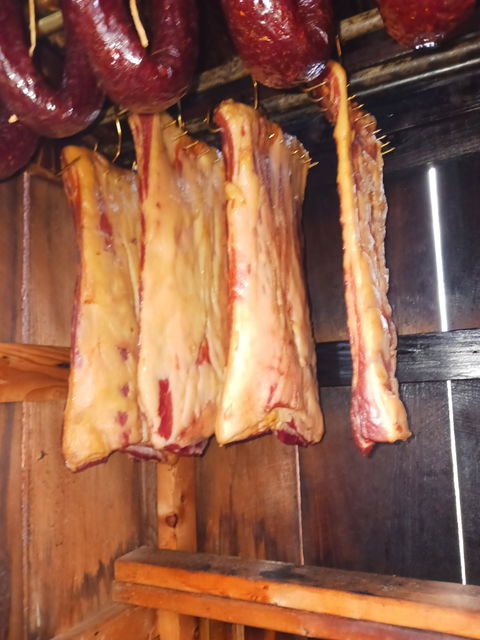
We have used this for years and will continue. Always produces a great finished product. We cold smoke our bacons with hickory and apple.
Brown Sugar Bacon Cure
Jaroslaw Dudek
I’ve purchased from you several times now; as always
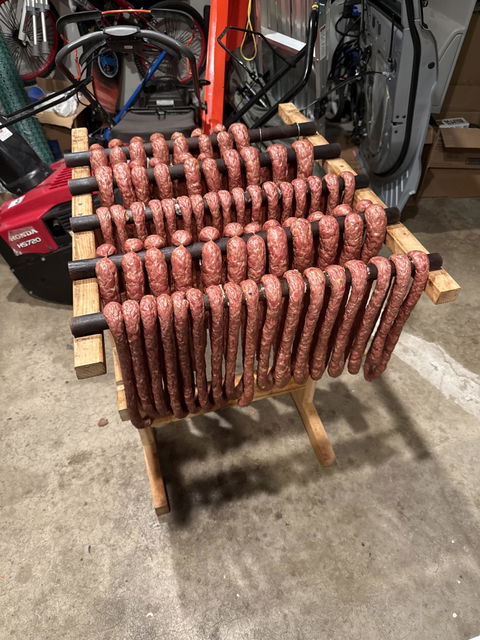
I’ve purchased from you several times now; as always, everything arrives on time and is of good quality. Thank you.
Natural Sheep Casings
Jim Browder
Too Salty
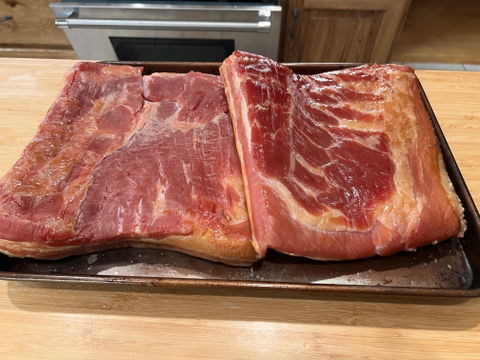
I followed the directions exactly for curing ten pounds of pork belly. After five days curing I rinsed it and placed it in cold water for eight hour. I cooked up a sample and it was so salty it was not edible. I rechecked the directions and I confirmed that I followed all the steps. Just not sure why it turned out so salty.
Brown Sugar Bacon Cure
Anonymous
Solid casings
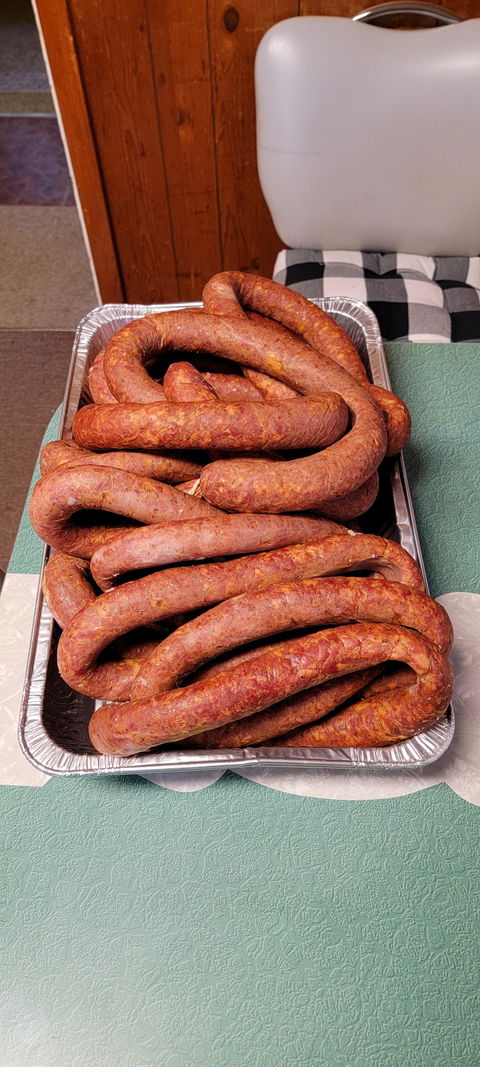
Solid casings. Stuffed well with only blowouts ( those were my fault).
Natural Hog Casings 42-44mm

Michael Ceja
The best yet I tried a few different ones
The best yet I tried a few different ones too
Premium Natural Hog Casings, 1 Hank
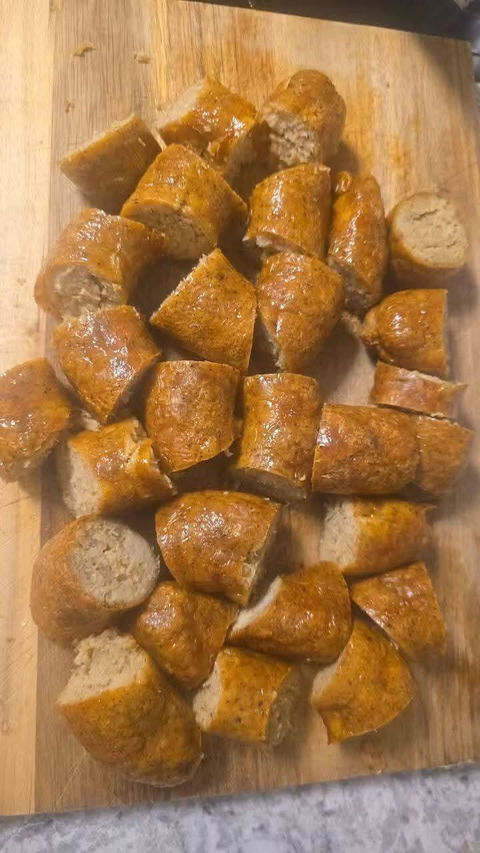
Lionel Lozada
Very good quality
Perfect for sausage.
Premium Natural Hog Casings, 1 Hank
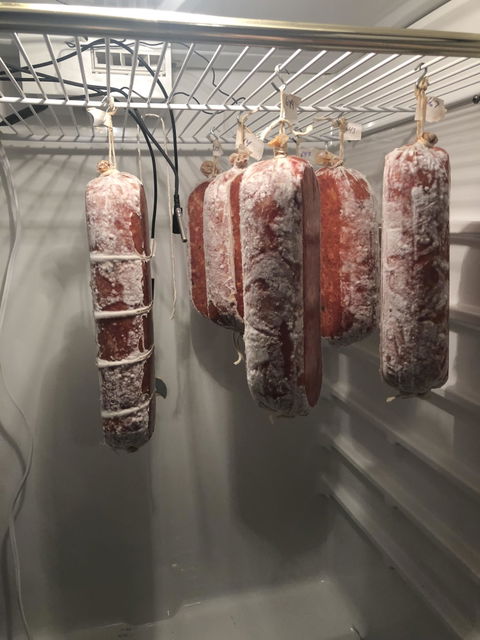
Anonymous
Works
Works as it should
Insta Cure™ #2, Naturally Colored (No Red Dye)
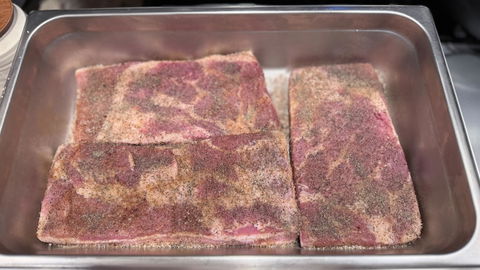
Anonymous
Good stuff
Good stuff, right price, excellent dhipping!
Insta Cure™ #1 Pink Curing Salt – Prague Powder #1, No Red Dye
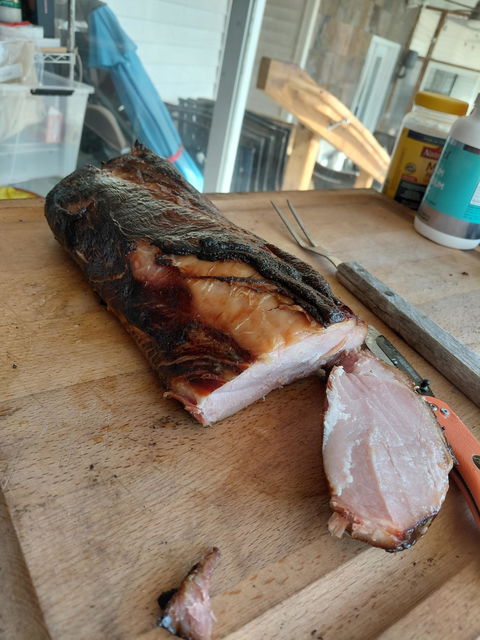
Kenneth Eakman
Great seasoning for more than just sausage.
Great taste but I don't make sausage with it, I make canadian bacon by dry curing pork loins using the same weight ratios and cure #1. Then cold smoke, hot smoke and wait a few days to serve. It is well liked and not hot at all.
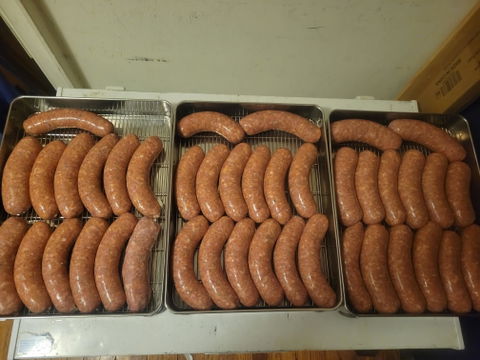
Andouille Sausage Seasoning 1lb 12oz
Richard Chiaravalloti
Great!
I barely did any prep on these casings. I just soaked them over night in clean water and a little baking soda. I was too lazy to even rinse out the insides. They loaded smoothly on the stuffing tube, no blowouts. Very good stuffing experience.
Premium Natural Hog Casings, 1 Hank
Charles Hayes
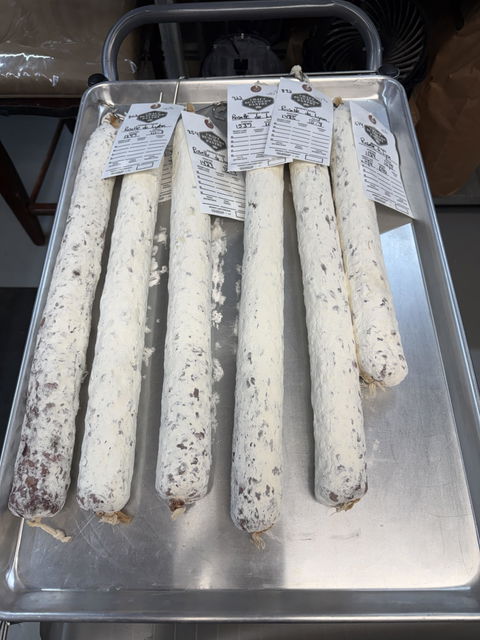
#1 in the Sausage & Salami Products.
Enjoy everything from the products they carry to the customer service they provide and the fast shipping times.
The Sausage Maker
Charles Hayes
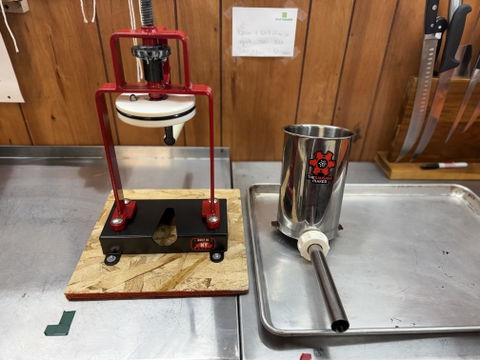
Built Tough
First time using this stuffer to make 16mm snack sticks slide over a stainless steel horn without unfurling them. Only a 10% water addition to a 50/50 blend of pork and beef. Not a single blowout and stuffed to perfection. Followed that up with a batch of 52mm sow casings for a Spicy Salami. I love every product ever purchased from TSM.
BUILT Series Sausage Stuffer
Gianni Vitale
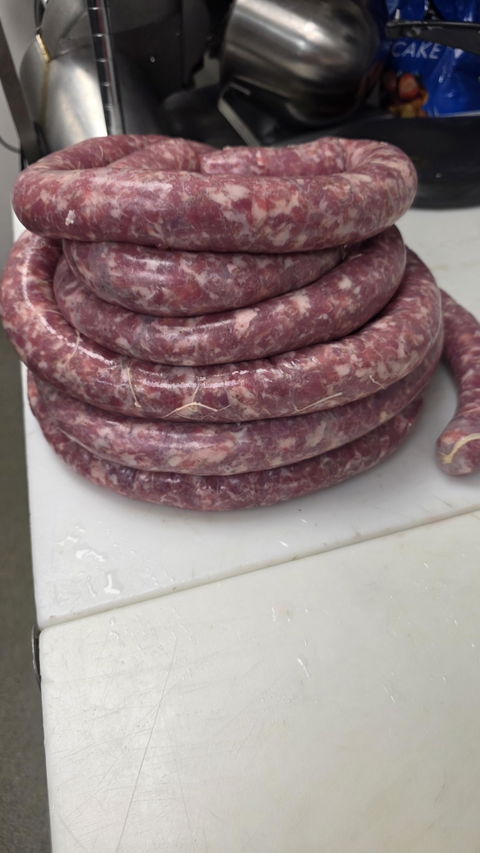
Really good
Really good quality
Premium Natural Hog Casings, 1 Hank
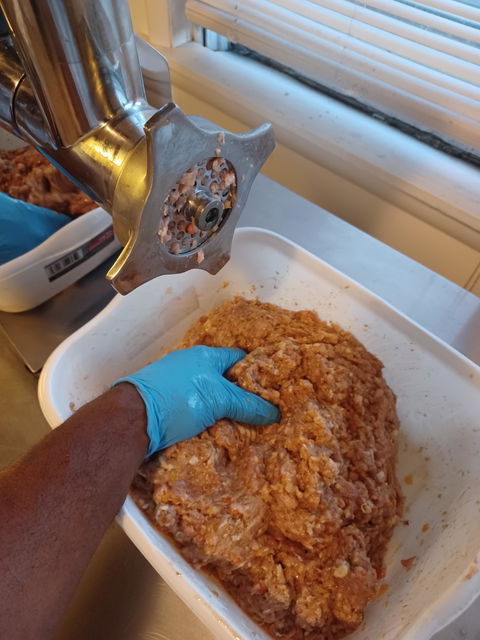
Namon Barlow
I have used this product for seven years
I have used this product for seven years. I like it a lot!!
Low Salt Breakfast Sausage Seasoning 1lb 8oz


